Featured
6 Easy Facts About What to Know Throughout the Debt Forgi...
Our Does How APFSC Helps Veterans Manage Debt Make Sense ...
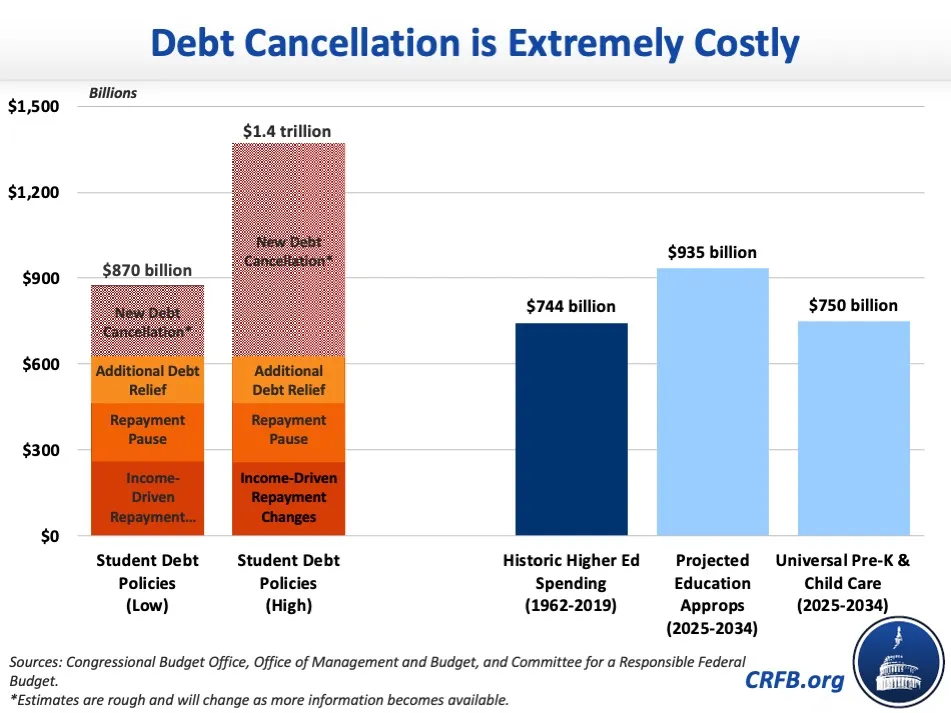
Examine This Report about How Debt Counseling Maintains I...

The Basic Principles Of How Financial Trauma Recovery: Counseling Techniques for Clients with Repeated Financial Crises Safeguards Your Assets
Table of Contents
That releases up money in the short-term, and you may have three to four years to conserve towards the negotiation quantity. Very dangerous to credit rating, largely due to missed out on payments and a negative "worked out" mark that could remain on your credit scores report for as much as 7 yearsMay be just alternative if various other alternatives (financial debt combination, balance transfer bank card, debt mercy) aren't possibleTypically calls for a cost to the 3rd party, which might counter some or all of the savings from financial obligation settlementMay assist you avoid personal bankruptcy if you've missed several paymentsNot all lenders deal with financial debt negotiation business Financial obligation mercy might be right for you if you are experiencing a financial hardship that makes it nearly impossible to pay for your debt equilibriums.
With a DMP, you make one month-to-month payment to the credit history therapy agency. Those funds are then distributed to lenders of your unprotected financial obligations, such as credit scores cards and installment financings. The firm deals with your financial institutions to minimize rates of interest or waive charges, yet some creditors may refuse such concessions.
A financial debt consolidation finance combines your qualified debts right into one new financing. It can help you pay for financial obligation if you have the ability to protect a financing price that's less than the ordinary price of the accounts you're settling. You need to abstain from racking up debt on those newly gotten rid of accounts or your debt could expand even greater.
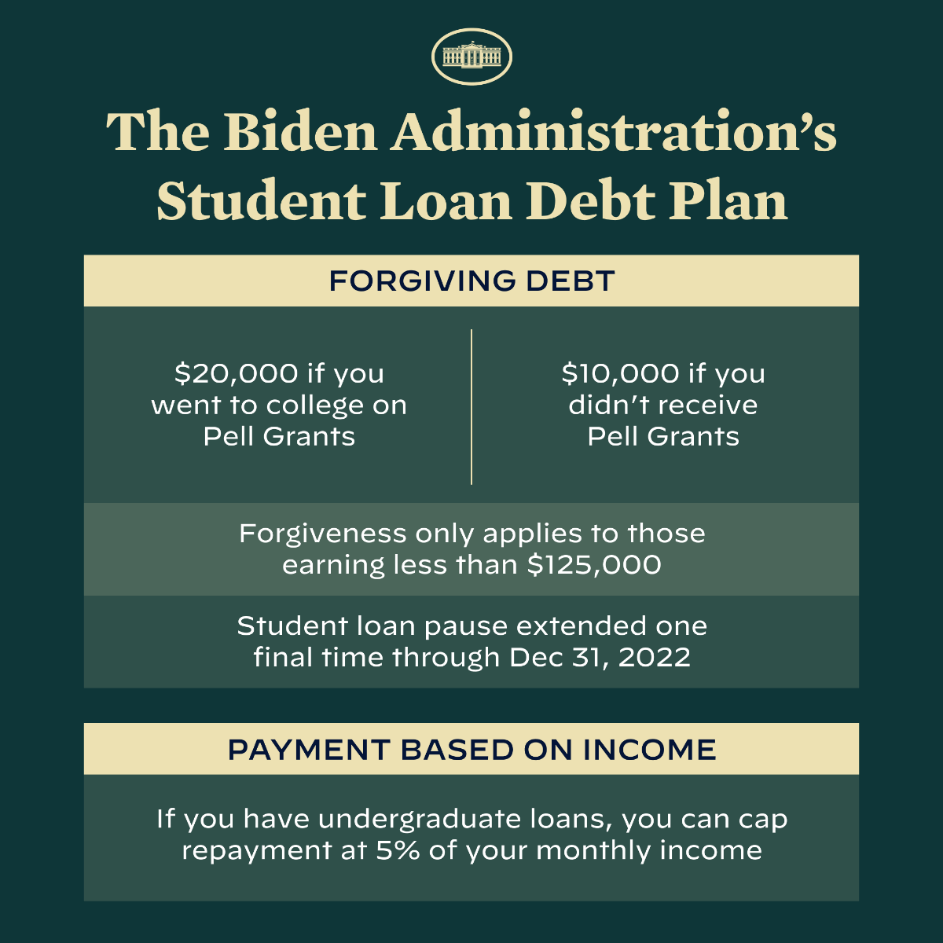
These cards usually supply a 0% rate of interest initial duration of approximately 21 months. That gives you plenty of time to remove or substantially lower your balance while making interest-free repayments. For some individuals dealing with overwhelming financial obligation, personal bankruptcy might be the only method to quit collection procedures and legitimately resolve their debts.
No-Cost Educational Debt Counseling Resources That Help Individuals - An Overview
You might need it if your lender or a debt collection agency ever before tries to collect on the financial debt in the future. The letter might prove you don't owe what the collection firm's records reveal. Yes, in most situations, the IRS considers forgiven financial debt as taxed earnings. When a lending institution forgives $600 or even more, they are required to send you Form 1099-C.
Financial debt forgiveness or negotiation often injures your credit rating. Anytime you settle a financial obligation for less than you owe, it may look like "cleared up" on your debt record and impact your credit report for 7 years from the date of settlement. Your credit scores can likewise drop substantially in the months leading to the mercy if you fall back on payments.
Not known Factual Statements About Avoiding Additional Debt Cycles After Your Fresh Start
Tax financial debt concession programs Tax debt happens when the quantity of taxes you owe exceeds what you have paid. This situation commonly arises from underreporting income, not filing returns promptly, or inconsistencies discovered during an internal revenue service audit. The consequences of accumulating tax obligation debt are major and can include tax liens, which provide the internal revenue service a lawful insurance claim to your residential property as protection for the financial obligation.
Earnings and Bank Accounts Internal revenue service can levy (seize) earnings and financial institution accounts to please the financial debt. Building Seizure In severe cases, the Internal revenue service can seize and offer residential or commercial property to cover the financial debt.
Depression, stress and anxiety, and various other mental health and wellness issues. Social Stigma Dealing with legal activity from the IRS can lug social preconception. Damage to credibility and relationships. Work Opportunities A poor credit report as a result of tax financial debt can limit job opportunity. Difficulty searching for or maintaining a task. Government Benefits Tax obligation financial obligation may affect eligibility for government benefits, such as Social Protection and Medicaid.
The Ultimate Guide To Documents to Gather for Debt Forgiveness
The OIC considers a number of factors, consisting of the taxpayer's income, expenses, property equity, and capacity to pay. Effectively working out an OIC can be intricate, needing a thorough understanding of the internal revenue service's standards and a strong disagreement for why your offer lines up with your capability to pay. It's vital to keep in mind that not all applications are approved, and the procedure calls for comprehensive monetary disclosure.
The internal revenue service examines your total financial scenario, including your income, expenditures, asset equity, and capability to pay. You should additionally be current with all filing and repayment needs and not be in an open insolvency proceeding. The internal revenue service additionally considers your compliance history, examining whether you have a document of timely filing and paying taxes in previous years.
Indicators on How to Not Return to the Previous Mistakes After Your Fresh Start You Need To Know
The application process for an Offer in Concession entails numerous thorough steps. First, you have to complete and send internal revenue service Form 656, the Deal in Compromise application, and Kind 433-A (OIC), a collection information statement for people. These kinds call for extensive economic information, consisting of details regarding your earnings, financial obligations, costs, and properties.
Back taxes, which are unsettled tax obligations from previous years, can dramatically increase your complete internal revenue service debt if not addressed without delay. This financial debt can accumulate rate of interest and late payment penalties, making the initial quantity owed much bigger gradually. Failing to pay back tax obligations can cause the internal revenue service taking enforcement actions, such as releasing a tax lien or levy against your home.
It is necessary to resolve back tax obligations as soon as feasible, either by paying the full quantity owed or by arranging a layaway plan with the IRS. By taking proactive steps, you can prevent the buildup of additional rate of interest and charges, and avoid extra aggressive collection actions by the internal revenue service.
One typical reason is the idea that the taxpayer can pay the sum total either as a lump amount or through a layaway plan. The internal revenue service also considers the taxpayer's income, costs, possession equity, and future earning potential. If these variables indicate that the taxpayer can pay for to pay more than the used quantity, the IRS is likely to reject the deal.
How Practical Advice Once Bankruptcy can Save You Time, Stress, and Money.
It is vital to supply accurate and total details in your application and to seek advice from a tax expert to improve the chances of approval. Taking care of IRS debt can be complicated and complicated. Tax obligation professionals, such as CPAs, tax attorneys, or enlisted agents, can supply very useful assistance. They have the experience to browse the intricacies of tax obligation law and IRS treatments.

Table of Contents
Latest Posts
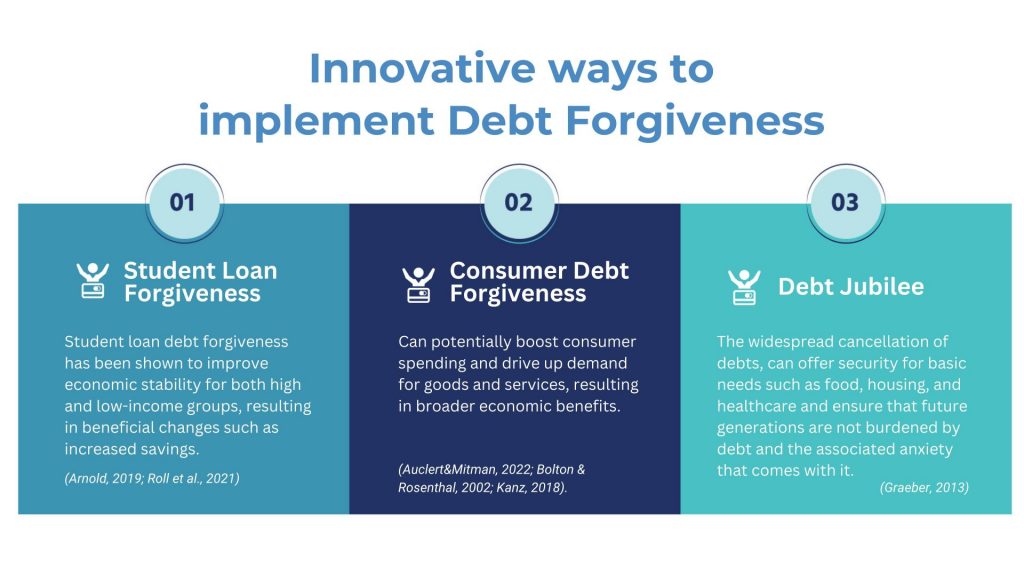
6 Easy Facts About What to Know Throughout the Debt Forgiveness Process Described
How Being Cautious from Unethical Companies can Save You Time, Stress, and Money.
Our Does How APFSC Helps Veterans Manage Debt Make Sense for Your Case Diaries
More
Latest Posts
6 Easy Facts About What to Know Throughout the Debt Forgiveness Process Described
How Being Cautious from Unethical Companies can Save You Time, Stress, and Money.
Our Does How APFSC Helps Veterans Manage Debt Make Sense for Your Case Diaries